Advanced technical ceramic components are now playing a key role in semiconductor manufacturing. These parts are built to handle the harsh conditions inside plasma etching equipment. The etching process uses highly reactive gases that form corrosive plasmas. Standard materials often wear out quickly under such stress. Technical ceramics, however, offer strong resistance to chemical attack and high temperatures.
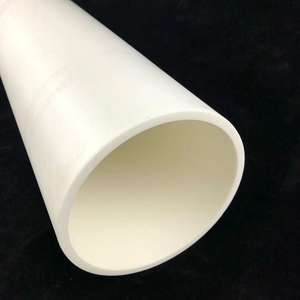
(Technical Ceramic Components for Semiconductor Etching Equipment Resist Corrosive Plasmas)
Engineers have developed new ceramic formulations that last longer in aggressive plasma environments. These materials maintain their shape and performance even after extended exposure. This reliability helps reduce unplanned downtime in chip production lines. Fewer part replacements mean lower costs and higher output for manufacturers.
The ceramics are made using precise methods that control purity and density. Any small flaw could lead to failure during operation. That is why quality control is strict at every production stage. The result is a component that meets the exacting standards of modern semiconductor fabs.
Demand for these advanced ceramics is growing fast. As chips become smaller and more complex, etching processes must be more precise. This requires materials that can endure increasingly tough conditions without degrading. Technical ceramics meet this need better than most alternatives.
Leading suppliers are scaling up production to keep pace with global demand. They work closely with equipment makers to tailor solutions for specific tools and processes. This close collaboration ensures the ceramics fit seamlessly into existing systems. It also speeds up the adoption of next-generation etching technologies.
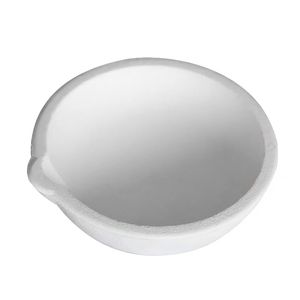
(Technical Ceramic Components for Semiconductor Etching Equipment Resist Corrosive Plasmas)
Semiconductor manufacturers rely on these components to maintain consistent yields. With tighter design rules and faster innovation cycles, material stability has never been more important. Technical ceramics provide the durability and precision needed to support ongoing advances in chipmaking.