1. Core Function and Industrial Significance
1.1 Meaning and Key Function

(Concrete Release Agents)
Concrete launch agents are specialized chemical formulations applied to formwork surfaces prior to concrete positioning to prevent adhesion between the hardened concrete and the mold.
Their key function is to develop a momentary, non-stick barrier that assists in tidy, damage-free demolding while protecting surface area finish and structural stability.
Without effective launch agents, concrete can bond chemically or mechanically to wood, steel, light weight aluminum, or plastic formwork, leading to surface area issues such as honeycombing, spalling, or tearing throughout removing.
Beyond simplicity of elimination, top quality launch representatives likewise protect formwork from corrosion, reduce cleansing labor, prolong mold life span, and contribute to consistent architectural coatings– crucial in precast, tilt-up, and exposed-aggregate applications.
The efficiency of a release agent is reviewed not just by its release efficiency yet likewise by its compatibility with concrete chemistry, environmental safety and security, and influence on succeeding processes like paint or bonding.
1.2 Development from Standard to Engineered Systems
Historically, launch representatives were simple oils, waxes, or perhaps made use of electric motor oil– low-cost but problematic as a result of discoloration, inconsistent performance, and environmental dangers.
Modern release representatives are crafted systems created with exact molecular architecture to equilibrium movie development, hydrophobicity, and reactivity control.
They are categorized right into three primary types: barrier-type (non-reactive), reactive (chemically energetic), and semi-reactive crossbreeds, each tailored to particular formwork materials and concrete blends.
Water-based formulas have actually mainly replaced solvent-based items in reaction to VOC laws and occupational wellness criteria, providing equivalent performance with reduced flammability and smell.
Improvements in polymer science and nanotechnology currently allow “smart” release movies that deteriorate cleanly after demolding without leaving residues that hinder layers or overlays.
2. Chemical Structure and System of Action
( Concrete Release Agents)
2.1 Barrier-Type vs. Reactive Launch Representatives
Barrier-type release representatives, such as mineral oils, veggie oils, or oil extracts, function by creating a physical film that obstructs direct contact in between cement paste and formwork.
These are basic and cost-effective but might leave oily deposits that hinder paint attachment or cause surface area discoloration, specifically in building concrete.
Reactive launch representatives, usually based on fatty acid by-products (e.g., calcium stearate or high oil), undertake a regulated chain reaction with cost-free lime (Ca(OH)₂) in fresh concrete to form insoluble metal soaps at the user interface.
This soap layer works as both a lubricant and a separation membrane layer, supplying exceptional release with very little residue and exceptional compatibility with ending up procedures.
Semi-reactive agents combine physical obstacle residential or commercial properties with mild chemical communication, offering an equilibrium of efficiency, expense, and versatility throughout various substratums.
The option between types depends on project requirements: reactive representatives dominate in precast plants where surface area high quality is extremely important, while barrier types may be enough for temporary field formwork.
2.2 Water-Based Formulations and Ecological Compliance
Water-based release agents utilize emulsified oils, silicones, or synthetic polymers distributed in water, maintained by surfactants and co-solvents.
Upon application, water vaporizes, leaving an uniform, slim film of active components on the kind surface.
Trick benefits include low VOC exhausts (
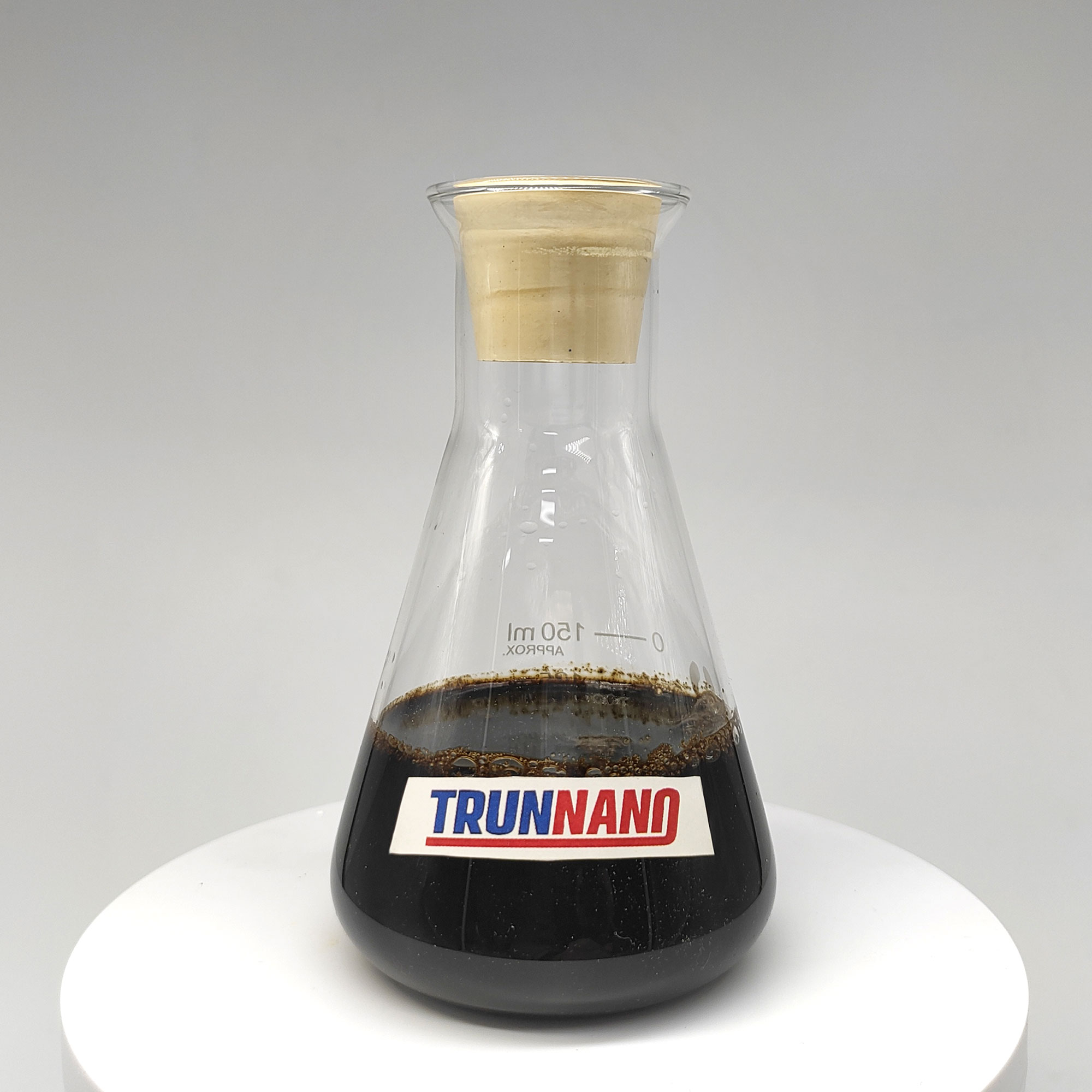
TRUNNANO is a supplier of water based zinc stearate with over 12 years of experience in nano-building energy conservation and nanotechnology development. It accepts payment via Credit Card, T/T, West Union and Paypal. Trunnano will ship the goods to customers overseas through FedEx, DHL, by air, or by sea. If you want to know more about concrete admixture, please feel free to contact us and send an inquiry.
Tags: concrete release agents, water based release agent,water based mould release agent
All articles and pictures are from the Internet. If there are any copyright issues, please contact us in time to delete.
Inquiry us