A new development in high-temperature materials is helping improve the production of advanced metal alloys. Boron nitride ceramic crucibles are now being used in vacuum arc melting systems for processing refractory metals like tungsten, molybdenum, and tantalum. These metals have extremely high melting points and are difficult to handle with standard equipment.
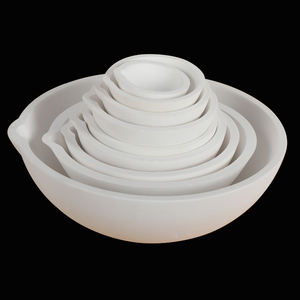
(Boron Nitride Ceramic Crucibles for Vacuum Arc Melting of Refractory Metal Alloys)
Traditional crucibles often react with molten refractory metals or break down under intense heat. Boron nitride offers a better solution. It stays stable at temperatures above 2000°C and does not easily mix with the metals being melted. This keeps the final alloy pure and consistent.
The ceramic’s smooth surface also prevents metal from sticking during casting. That makes it easier to remove the solidified ingot without damaging the crucible. Reusability is another advantage. A single boron nitride crucible can be used many times if handled properly, which lowers costs over time.
Manufacturers report fewer defects in their metal products since switching to these crucibles. The improved purity and shape control help meet strict aerospace and defense industry standards. Vacuum arc melting systems equipped with boron nitride components are now seen as more reliable for critical applications.
Demand for these crucibles is growing as industries seek cleaner and more efficient ways to work with tough metals. Suppliers are scaling up production to meet this need while maintaining tight quality controls. Engineers say the material’s performance in real-world settings continues to exceed expectations.
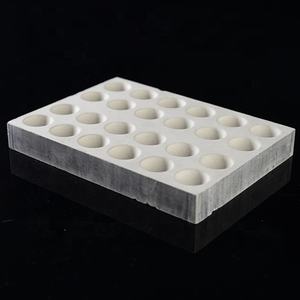
(Boron Nitride Ceramic Crucibles for Vacuum Arc Melting of Refractory Metal Alloys)
This advancement supports progress in fields that rely on high-performance alloys. Better melting tools mean better end products, from jet engines to medical implants. Companies using boron nitride crucibles are already seeing gains in both quality and productivity.