Boron nitride ceramic discs are now being used as thermal interface materials in high temperature thermoelectric generators. These discs offer strong performance where heat management is critical. They handle temperatures above 800°C without losing stability or structure. This makes them ideal for demanding energy applications.
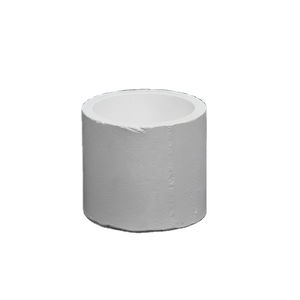
(Boron Nitride Ceramic Discs for Thermal Interface for High Temperature Thermoelectric Generators)
The material’s high thermal conductivity helps move heat quickly and evenly. At the same time, it acts as an electrical insulator. This dual function is rare and valuable in thermoelectric systems. It prevents short circuits while improving heat transfer efficiency.
Manufacturers have tested these discs in real-world generator setups. Results show consistent performance over long periods. The discs resist thermal shock and chemical corrosion. They also maintain their shape under repeated heating and cooling cycles.
Engineers chose boron nitride because it works well in extreme conditions. Other materials often degrade or crack when exposed to high heat. Boron nitride stays intact and functional. This reliability reduces maintenance needs and boosts system uptime.
The discs are made using advanced pressing and sintering methods. This ensures uniform density and smooth surfaces. Such quality control is key for tight contact between components. Better contact means better heat flow and more power output.
Demand for efficient thermoelectric generators is growing. Industries like aerospace, automotive, and waste-heat recovery need durable solutions. Boron nitride ceramic discs meet this need with proven results. They support cleaner energy conversion without complex cooling systems.
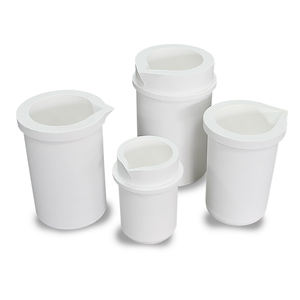
(Boron Nitride Ceramic Discs for Thermal Interface for High Temperature Thermoelectric Generators)
Production of these discs is scaling up to meet market interest. Companies are integrating them into next-generation power modules. Early adopters report improved generator efficiency and longer service life. Research continues to refine the material further.